Garden clearance in Barking

Garden clearance in Barking should leave outdoor areas tidy, usable and ready for the next stage of your plans, whether that means a full reset after a long build-up of waste or a lighter tidy-up after pruning and planting. We provide a practical removal service for common green waste, unwanted outdoor items and mixed garden clutter, with work planned around access, the type of material involved and the finish you want from the space.
Our focus is on clearing away the things that get in the way of day-to-day use: cuttings, branches, soil, broken planters, old bagged waste, timber offcuts and assorted items that are no longer serving a purpose outdoors. Where there is a broader project, we can also remove items from sheds, paths and patio corners so that the garden feels more open. If you are comparing options or thinking through what needs removing, start by listing the main piles, bulky pieces and any awkward access points; that makes the next step much more straightforward.
For a clear and organised next step, you can ask for a quotation when you are ready, and use the time before booking to decide whether the job is mainly green waste, mixed garden waste or a more complete clearance. That helps define the scope cleanly and can reduce back-and-forth later. If you already know the main areas that need attention, a brief outline is enough to begin a sensible conversation about the work.
What a garden clearance can cover
Garden clearances can be as simple as removing a few bags of cuttings or as involved as dealing with several different types of outdoor waste at once. In many cases, the useful work is not just about volume but about sorting the material properly so that recyclable green matter, reusable items and general waste are handled in a practical way. That is especially helpful where a garden has accumulated a mixture of prunings, broken accessories and leftover bits from previous jobs.
Because gardens often contain varied materials, the service is usually shaped by the layout as much as by the quantity. Narrow side access, rear entry only, or steps between levels can affect how the clearance is approached. If you are planning your own preparation, it is often enough to group the main waste together and separate anything you want to keep. That gives a clearer view of the work and reduces the chance of removing items by mistake.
Typical garden clearance work may include:
- green waste such as branches, hedge trimmings and cuttings
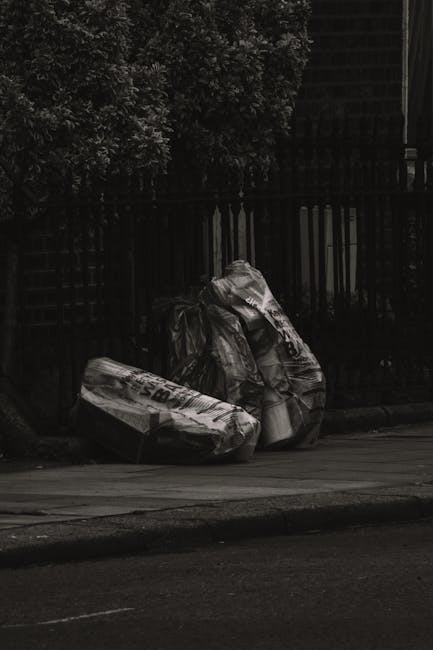
- bagged garden rubbish and loose debris
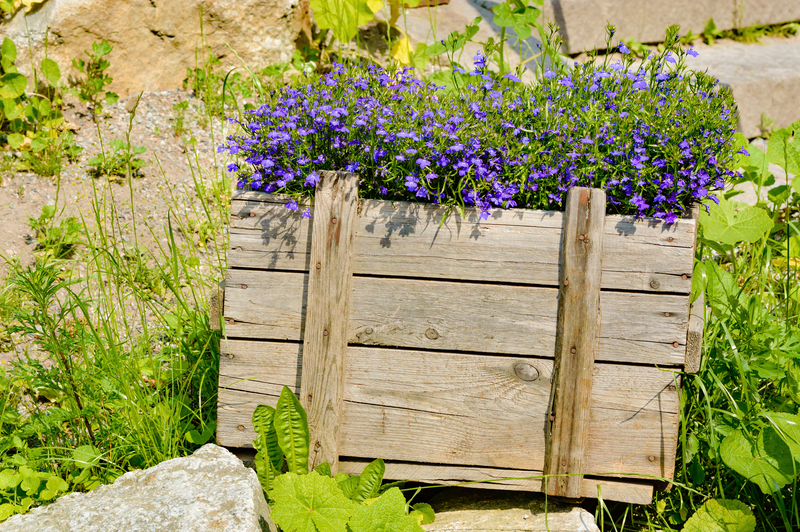
- old pots, broken containers and cracked accessories
- timber, fencing offcuts and other outdoor leftovers
- mixed items from sheds, corners, patios and borders
Green waste, bulky items and mixed outdoor clutter
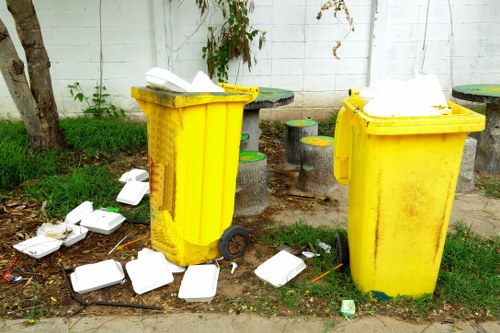
One of the most common parts of garden clearance is dealing with green waste in a way that keeps the rest of the job organised. Fresh cuttings, woody growth and hedge trimmings can quickly take over paths, beds and lawn edges, especially after a large prune. Alongside that, gardens often contain bulky items that are not technically green waste but still need removing, such as damaged outdoor furniture, broken storage pieces or worn-out accessories.
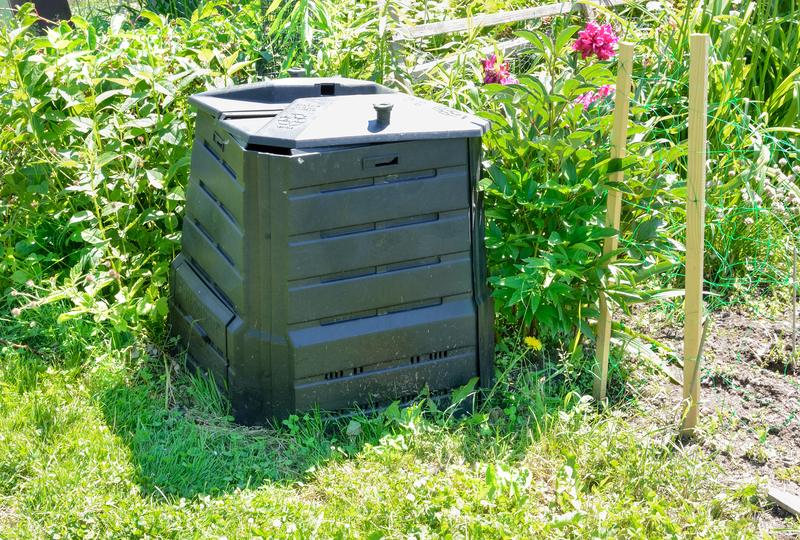
We also clear mixed outdoor clutter where the garden has become a collection point for items from several small jobs over time. This can include plant pots, weathered ornaments, garden edging, old compost sacks and general rubbish that has ended up outside. Keeping this material separate from items you want to keep is useful because it helps the clearance stay efficient and avoids confusion when several piles are close together.
When the work involves both garden waste and non-green items, it can help to think about the final outcome rather than each object individually. Some customers want only the obvious waste taken away, while others prefer a broader tidy that opens up the whole space. If you would like to move ahead, there is no need to overcomplicate the first conversation; a short description of the waste and the access is usually enough to begin.
How the clearance is approached
Garden clearance is usually more effective when the work is planned around the layout of the outside space. Borders, sheds, side returns, rear gates and uneven ground can all influence the order in which items are removed. Clearing from the easiest access point first may make the rest of the job smoother, particularly where there are heavier pieces or awkward bundles of branches that need moving safely.
There is also a practical difference between a quick removal and a fuller outdoor tidy. A smaller job might involve taking away a few bulky pieces and loose bags, while a larger one can require sorting through multiple spots in the garden before anything is loaded. Where useful, our approach keeps the work focused on the agreed scope rather than turning it into a vague all-purpose tidy. That keeps expectations clear on both sides.
For customers who are still deciding what should be included, photographs and a simple list are usually the most efficient way to explain the job. If there are items that should remain in place, mentioning them early helps avoid delays. You do not need a long description; a short note about what is staying, what is going, and whether access is straightforward is normally sufficient.
When you need more than a simple tidy
Not every garden clearance is about a single obvious pile. Some outdoor spaces have debris spread across several points: a stack by the fence, a line of bags beside the shed, a few damaged items on the patio and a separate area of green cuttings at the back. In those situations, the useful work is in bringing the space back under control in a measured way rather than treating each item as a separate task.
If the garden has been unused for a while, the clearance may need to account for a combination of light waste and heavier objects. This can include old planters with broken soil, worn-out storage items, loose timber and forgotten bits from previous maintenance. Clear access and a definite list of what stays behind make this kind of work simpler, especially where there are fragile plants or decorative features that should not be disturbed.
Many customers also want to create space for follow-on work such as replanting, lawn care or repairs to paving and fencing. The clearance itself remains the starting point: removing what is no longer needed so that the remaining garden is easier to use. If that is your aim, you can keep the request focused on the current waste rather than planning every later step at the same time.
Pricing factors and quotation details

The price of a garden clearance is generally shaped by the amount of material, the type of waste and the ease of access. A load made up mainly of light green waste is different from a mixed job that includes bulky furniture, heavy bags, timber and items that need more careful handling. Access matters too, because narrow paths, stairs, long carries or limited vehicle access can change how the work is arranged.
It is also useful to note whether the garden waste is already bagged, loosely piled or spread across several areas. That affects the time needed to gather and move it. If there are items that need separating before removal, or if the garden contains both rubbish and things you want to keep, saying so at the start helps create a more accurate quotation. Keeping the description practical and specific is usually more helpful than trying to make it sound comprehensive.
Two small points often improve the quotation process: first, mention any steps, gates or restrictions that affect access; second, identify any especially heavy or awkward items. With those details, it is easier to understand the likely scale of the work. If you are ready to take the next step, ask for a quotation and share the basic scope in one message.
Garden waste and outdoor items we commonly remove
Garden clearances often involve a mixture of soft and hard materials rather than one uniform waste stream. We commonly handle cuttings, hedge trimmings, branches, bags of leaves, broken pots, worn outdoor containers and unwanted items that have been left in the garden over time. Where a shed, patio or border has become a temporary storage area, the service can be adapted to remove the material that is no longer needed.
For homeowners and landlords, this can be especially useful where the space has to be handed over in a tidy condition or simply returned to everyday use. Clearance is most effective when broken into sensible groups: green waste, bulky garden objects and general outdoor rubbish. That approach helps avoid confusion and makes it easier to decide what should be removed first.
In some cases, the most useful outcome is not a dramatic transformation but a steady reduction in clutter so that the garden is easier to walk through, maintain and enjoy. Our service is built around that practical goal. You do not have to wait until the space is perfect; a collection of manageable piles is enough to start the process.
About Barking

Barking is a historic settlement in East London, now part of the London Borough of Barking and Dagenham. Its story is closely tied to the River Roding and to centuries of riverside, market and industrial activity. Barking Abbey was founded in the 7th century and became one of the most important religious houses in medieval England, leaving a long cultural imprint on the area even though the abbey itself no longer survives as a complete standing complex. The town centre developed around this historic core and later expanded with the growth of transport links and suburban housing. Barking station is an important interchange, and the District and Hammersmith & City lines connect the area with central London and neighbouring districts. The locality also contains a mix of older streets, post-war estates and newer redevelopment, giving it a varied built character rather than a single uniform townscape. The Abbey Green area, Barking Town Centre and the riverside edges each show different layers of that history. Barking Park is one of the best-known public open spaces, with lakes, tree-lined walks and the long-established bandstand setting a more formal park character. The wider area includes churches, community facilities, local shops and civic buildings that reflect its role as both a residential district and an urban centre. Nearby waterways and former marshland have shaped the landscape, while the continuing presence of schools, markets and cultural venues gives the town an everyday rhythm. As part of London’s eastern edge, Barking combines older heritage with ongoing change, and that blend is visible in its streets, public spaces and landmarks.
Practical clearance for homes, gardens and shared outdoor spaces
Not every garden needs the same level of intervention. A private back garden may need a single clear-out after seasonal pruning, while a shared outdoor area may need a more methodical approach so that the route to bins, storage or communal access stays open. Where several items are involved, the job is easiest when the clearance is organised around what must go first and what can stay until later.
For larger or more mixed outdoor spaces, it can help to identify the categories of waste before the work starts. Green waste, bulky items and general rubbish are best thought about separately, because each one may require a different handling plan. If there are items with sentimental or practical value, placing them well away from the removal area avoids uncertainty and keeps the work moving cleanly.
We can also help when the garden is only one part of a wider clearance. That may mean removing outdoor clutter alongside items stored in adjoining spaces such as sheds or garages. The important point is that the scope is agreed clearly from the outset, so the clearance stays focused and the result matches the intended use of the space.
Preparing the job and getting the scope right

A useful quotation starts with the basics: what needs removing, how much of it there is and how easy it will be to reach. It is usually enough to describe the main piles, note any heavy or awkward pieces and mention whether items are already bagged. If there is a particular section of the garden that should not be touched, say so clearly so that the work remains properly targeted.
When several types of garden waste are involved, one of the best preparation steps is to decide what belongs to the clearance and what should remain in place. That may seem obvious, but gardens often contain tools, decorations, planters and stored materials that can be overlooked if the request is too vague. Good preparation here is mostly about clarity, not effort, and it can make the whole process feel more straightforward.
If you are ready to talk through the work, ask for a quotation and describe the garden in a few practical sentences. A brief note on the waste type, access and any items that need special care is normally enough to get things moving. The goal is simply to match the clearance to the space you want back.
Further clearance options for adjoining spaces
Some customers looking for garden clearance also need help with other storage or living areas that have filled up with unwanted items. Where that is the case, a broader clearance can be planned so that adjoining spaces are handled in a way that feels coordinated rather than piecemeal. This is often useful when outdoor clutter has been building up alongside items kept in lofts, garages or internal storage rooms.
We provide related clearance services that can sit alongside garden work when they are genuinely needed, and it is often easier to arrange them together if the waste is part of one wider tidy-up. The key is to keep the scope honest and specific. Separate spaces should only be included when they are actually part of the job, not simply because they are nearby or convenient to mention.
That way, the clearance stays manageable and the final result is easier to understand. If your request goes beyond the garden alone, it is best to say so from the beginning so that the right type of work can be discussed. A clear scope tends to produce a clearer quotation and a better fit for the job.
Clean-up, removal and the final result
The point of a garden clearance is not just to move things out of the way but to leave the space usable afterwards. Once the waste has been taken away, what remains should be easier to navigate, easier to maintain and easier to plan around. That may mean paths are visible again, borders are clearer, or the patio can be used without stepping around stored debris.
Because gardens vary so much, the finish can range from a simple emptied corner to a more open, workable outdoor area. What matters is that the agreed waste is removed carefully and the rest of the garden is left in a sensible condition. If a follow-on project is planned, it often helps to complete the clearance first so that you can see the space properly before making later decisions.
For a straightforward next step, keep your request concise and focus on the waste that is actually there. That gives a better basis for the quotation and helps ensure the work matches the reality of the garden. When you are ready, you can ask for a quotation and outline the clearance in plain terms.
Choosing the right level of clearance
Some jobs are best handled as a targeted removal of specific piles, while others need a wider sweep across several parts of the garden. Choosing the right level of clearance depends on whether your main concern is a few awkward items, a season’s worth of cuttings or a larger accumulation of mixed waste. There is no need to overstate the job; a factual description is more useful than a long explanation.
Where the garden contains different types of material, a sensible approach is to identify what is green waste, what is reusable and what is ready to go. Separating those categories early can help the work move more smoothly and can also prevent items being handled unnecessarily. That is especially useful in smaller gardens where every square metre matters and where the removal route needs to be planned carefully.
Whether you are preparing for planting, repairs or simply a cleaner-looking outside space, a well-scoped clearance creates a better starting point. You can begin with a brief description of the main waste, then decide how broad the job should be. If the next step is a quotation, keep the information practical and specific, and let the scope define the work.